If you are new to sewing, it may be overwhelming trying to figure out what you will actually need to get started. When I first started sewing, it seemed like I had to make a million different trips to the local craft store before I could complete my first project. I have had several friends ask me what they need to buy before they start their first project. Luckily for you, I have compiled a list of sewing must haves. I also include a few items that are nice to have but definitely not needed at first. To make the list easy to shop, I have included links to all of the products on Amazon.
This post contains Amazon affiliate links. As an Amazon Associate, I may earn a small commission from qualifying purchases at no extra cost to you.
Sewing Machine
Some features that are nice to have in a beginner machine are multiple different stitch types, adjustable stitch length, and back stitch ability. It is also nice to be able to change the speed so you can have better control.
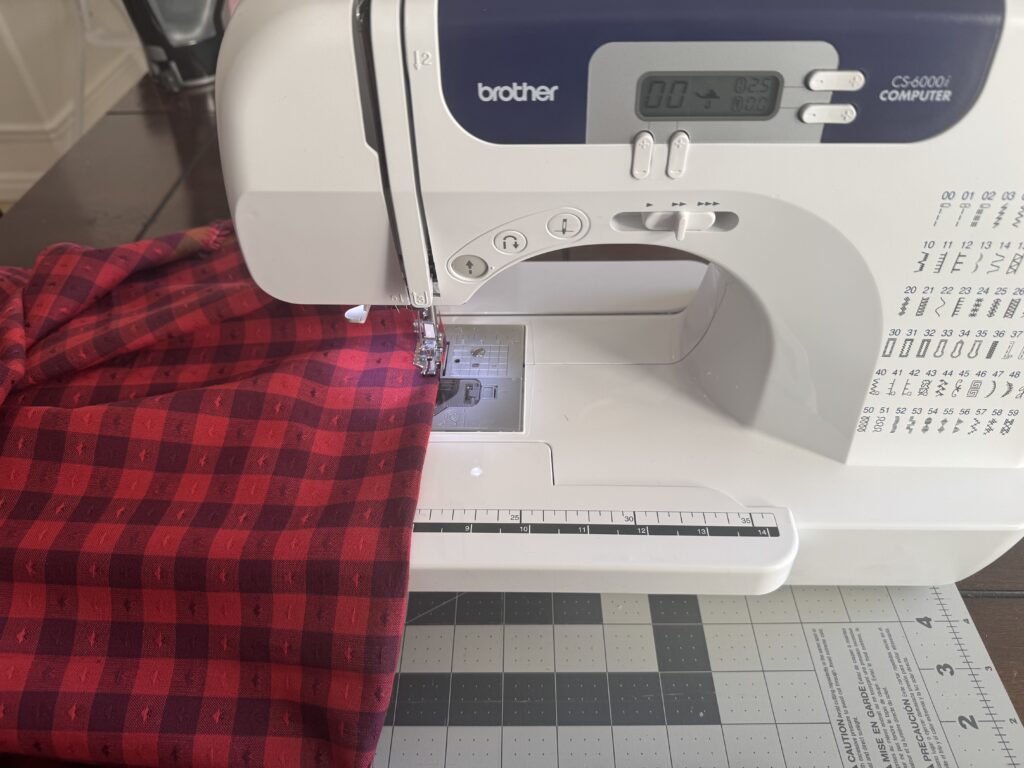
The sewing machine that I have and love is the Brother CS-6000i. It is the same machine that I learned to sew on, and I love it. It is easy to thread and operate. It is also very easy to take apart and clean, and perform basic maintenance on it by yourself. If you are looking for a good beginner machine, I would highly recommend the machine that I have linked.
If you are a first-time machine owner, make sure you read the manual first. This will help you learn how to properly operate and take care of your machine. Most basic machines also have many YouTube videos available that will help you understand how to do basic tasks and learn how to sew. Once you have the machine set up the way you like, I would recommend practicing on a piece of scrap fabric so you don’t ruin the fabric you have set aside for your project. It is also important to do regular maintenance on your machine, like changing your needle regularly, cleaning out your machine, and oiling it as needed.
Top 11 Sewing Kits Must Haves
1. Fabric Scissors
A good pair of fabric scissors is the first thing every beginner needs. I personally like larger scissors, so I’ve linked a pair that is 9.5″. The extra length makes cutting fabric much easier and more precise as you work on your projects. Be sure to remember to keep your fabric scissors away from paper so they stay sharp and last longer.
2. Seam Ripper
When you are just starting out, you’re bound to make a few mistakes. Luckily, you can easily fix them with a seam ripper. I’ve linked a basic seam ripper because we don’t need anything fancy to get started.
Some machines come with a basic seam ripper, so before you buy one, check to see if yours already includes one.
3. Thread
The next thing to consider is the thread for your sewing machine. You can either buy a multi-color pack, like I have linked, or pick matching colors at the craft store while you are shopping for fabric. It’s nice to have a multicolor pack on hand so you don’t have to make extra trips to the store if you need a specific color.
4. Extra Machine Needles
You’re supposed to change your sewing machine needles every 10 hours or so of sewing, or after any big project. If you don’t, the needle will get dull, which increases the chances of skipped stitches or breakage. Needles will also periodically break in the middle of sewing. It is important to have extra needles in that event. Most machines come with a few backups, but you will eventually need more.
I like this kit of backup needles that are compatible with Singer, Brother, Janome, and Varmax machines. It includes sizes 65/9, 75/11, 90/14, 100/16, and 110/18 that will be suitable for all kinds of projects.
5. Pins or Clips
When sewing, you will need to either pin or clip pieces of fabric to hold them together. Different projects work better with one or the other. I personally like to have both on hand, but if you’re just starting and want to limit your initial investment, I would start with pins. Pins are more versatile and work in more applications than clips. I typically use clips when layering large stacks of fabric or when quilting on edge binding.
6. Acrylic Ruler
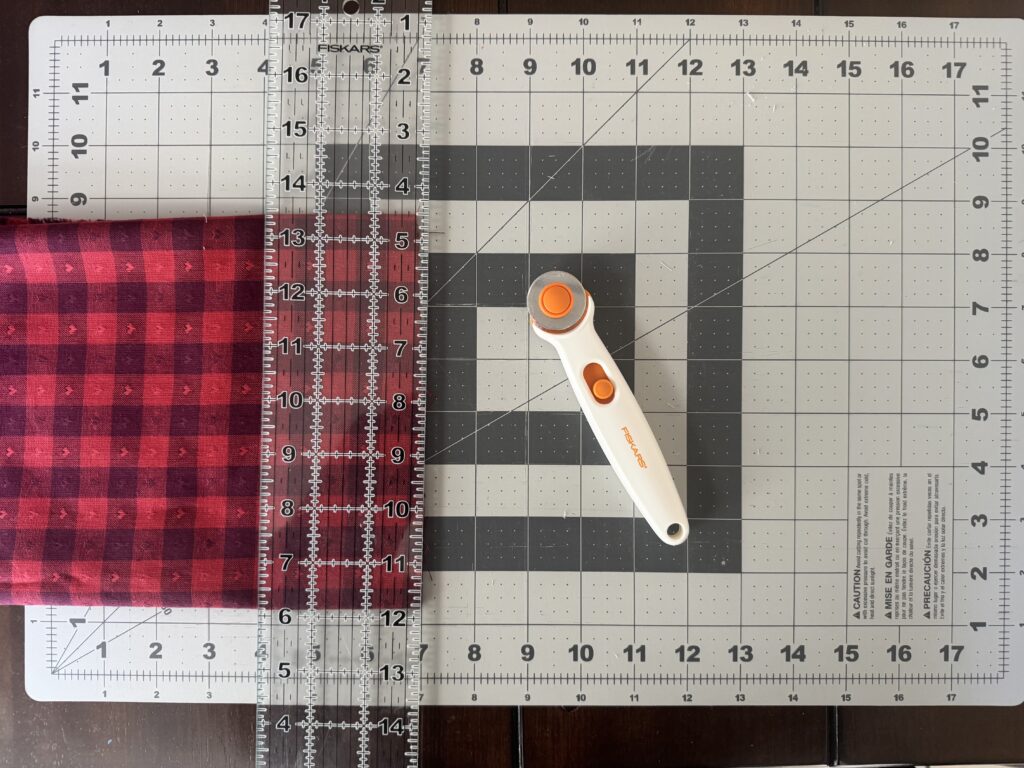
A sewing ruler will help when measuring as well as cutting out your pieces. For a beginner’s sewing kit, I would recommend starting with a smaller ruler. The one I’ve linked is 3″x18″. I have found that this length works well for quilts as well as other crafts.
If you’re interested in quilting, a Slotted Quilting Ruler is a great addition. This ruler makes cutting long strips and blocks super easy and helps keep everything consistent.
7. Rotary Cutter
A rotary cutter is an essential tool for a beginner’s sewing kit. This makes cutting fabric quicker and more even. Rotary cutters are especially helpful for quilting, making clothes, and most general sewing projects.
There are small rotary cutters and large rotary cutters. Small rotary cutters are perfect for small intricate curves, while the large rotary cutters are perfect for cutting straight lines with thicker fabric. I personally use both, but for a beginner, I would recommend getting a larger rotary cutter first.
8. Self-Healing Cutting Mat
Cutting mats come in many different sizes, so you can choose one that fits your sewing space. For a beginner’s sewing kit, I recommend a smaller mat, like 18″x24″. This size works perfectly with the 3″x18″ acrylic ruler that I listed above. It also doesn’t take up much space, so you can store it easily.
9. Pin Cushion or Magnetic Pin Cushion
In order to keep all of your pins in one place, it is important to have either a traditional pin cushion or a magnetic pin cushion. The option you choose comes down to personal preference. I prefer magnetic pin cushions because they automatically catch the pins, and you don’t have to push each pin into the cushion.
10. Fabric Markers
Another must have for a beginner sewing kit is fabric markers. These are nice for beginners, especially since they help you stay accurate and consistent with both your cutting and sewing. You can use them to trace pattern pieces, mark seam allowances, and add quilting lines. There are two main types of fabric markers, water-soluble and heat-soluble. I prefer water-soluble because all you need to do is get the fabric damp and your marks will disappear.
11. Storage Container
You also need a storage container to keep everything together and organized. A good organizer helps prevent losing small items and takes a lot of stress out of sewing. Perfect for when you are just starting out! Two different storage containers that work well for beginners are a hard plastic storage container or a soft portable container. The hard plastic storage containers have plenty of space for different tools as well as your latest project, while the soft cases have lots of small pockets that are perfect for transport.
Additional Items
There are also some additional items that you don’t NEED as a beginner. They could be useful, however, to complete your sewing kit.
1. Thread Snips
Thread snips are also useful for trimming loose threads right next to the edge of the fabric. Using snips to cut the loose threads will help keep your fabric scissors sharp. They’re a nice tool to have, but not essential. Your regular fabric scissors can do the same job if you’re just starting. I would look into buying these once you’re sewing more regularly or making larger quilting projects.
2. Additional Bobbins
Additional bobbins are also a helpful tool to add to your beginner’s sewing kit. I’ve linked a 30-pack of plastic bobbins specifically for Brother sewing machines. If you have a different machine, make sure you are using the appropriate bobbins. Having extra bobbins allows you to keep multiple thread colors ready to go. You can also have multiple bobbins with the same color for a given project to save time. This will help save time and thread, so you don’t have to switch threads frequently. They aren’t absolutely essential because your machine will most likely come with a couple of bobbins, and a beginner can make that work. I would look into buying these if you are starting to use several different colors and starting to do larger projects.
3. Measuring Tape
A measuring tape is used frequently for taking body measurements when making clothes and for measuring larger craft projects. It may become essential if you are planning on making clothes. For beginners, though, I consider it optional since the acrylic ruler we have listed above covers the basic measuring needs for beginners. I’d recommend buying this if you are starting to make clothing.
4. Extra Presser Feet
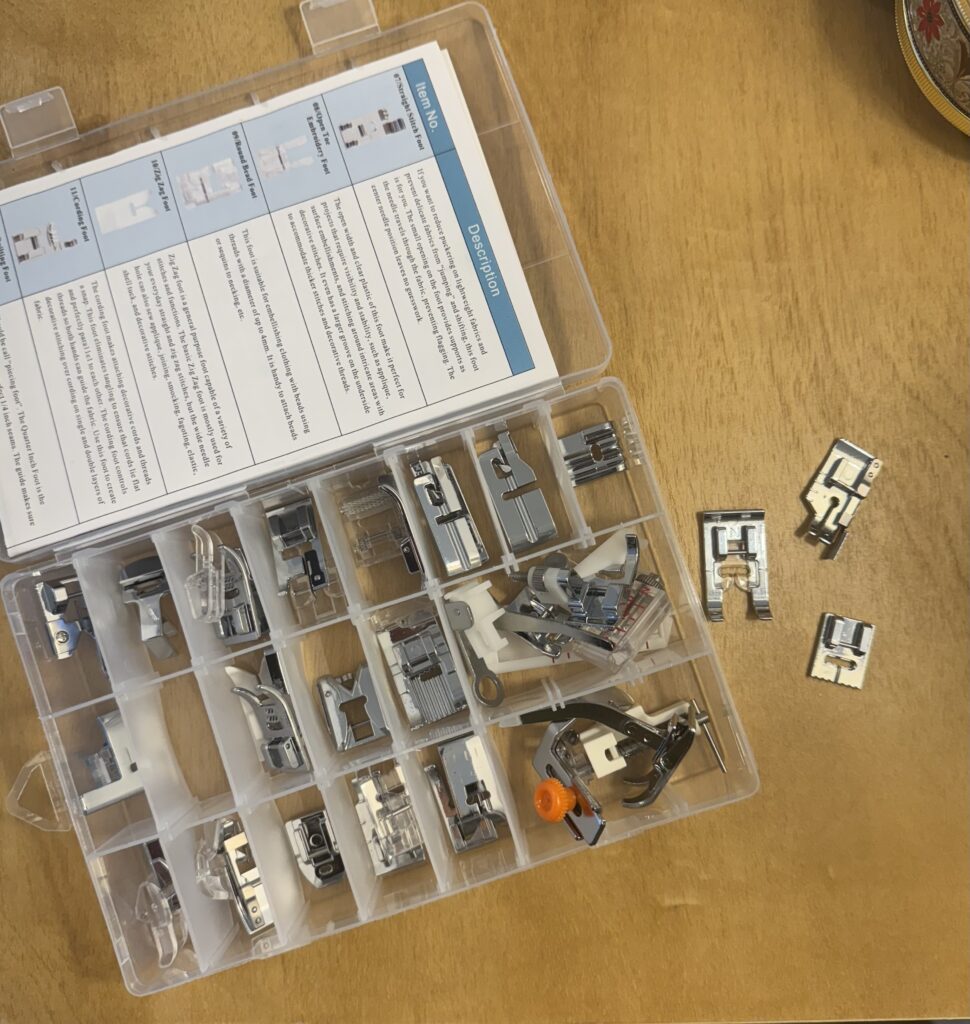
I’ve linked a set of 42 additional presser feet that can be used for specific sewing techniques. They’re compatible with several different sewing machines, so make sure to validate that they are compatible with your specific model. This kit includes 1/4″ quilting foot, blind stitch foot, darning foot, and many more. These feet will help improve the precision of specific tasks, but they aren’t necessary for a beginner. The foot that you get with the machine will allow you to work on most beginning crafts. I would look into buying these once you get into quilting, garments, or home decor projects.
5. Iron
Half the time you spend on a sewing project is actually spent ironing, so a small craft iron is a useful tool to add to your sewing kit. When you press your seams, it helps improve accuracy and gives a polished and professional finish. When quilting, it helps with consistency and allows you to iron seams to one side. A craft iron isn’t essential, as you can use your household iron to complete the same task. I’d recommend upgrading to a craft iron once you want to upgrade your setup from a common household iron and ironing board to a station next to your crafting table.
6. Wool Pressing Mat
A wool pressing mat sits on your table next to your sewing machine, making quick pressing easy and convenient. The wool absorbs heat, which helps create crisper seams. This setup is also more portable and great for small spaces. This setup isn’t necessary at first because you can use an ironing board. I would upgrade to a wool mat at the same time you upgrade to a dedicated craft iron.
7. Pattern Weights
Pattern weights are small, heavy objects used to hold pattern pieces in place while cutting. They’re convenient because they prevent shifting, and they are faster than using pins. It is also faster than searching the house for other items to weigh down your pattern. Pattern Weights aren’t necessary at first since you can use household items or pins to keep your patterns flat and your fabric from slipping.
How to Build Your Beginner Sewing Kit on Amazon
To make your shopping experience easier, I’ve put all of the sewing tools mentioned in this post into one Amazon list. These are the items that I would recommend purchasing for your beginner’s sewing kit. This list will give you easier access so that you can shop individually or add the whole kit to your cart.
Sewing Machine
Sewing Kit Essentials
- Fabric Scissors
- Seam Ripper
- Extra Machine Needles
- Pins
- Clips
- Acrylic Ruler
- Rotary Cutter
- Self-Healing Cutting Mat
- Magnetic Pin Cushion
- Fabric Markers
- Storage Container or soft portable container
Optional Kit Add-ons
- Thread Snips
- Additional Bobbins
- Measuring Tape
- Extra Presser Feet
- Iron
- Wool Pressing Mat
- Pattern Weights
Conclusion
Building your beginner sewing kit doesn’t have to feel overwhelming. With just a few essential tools, you can start sewing confidently and take on a wide variety of projects. Whether you want to quilt, make simple crafts, or eventually sew your own clothes, having the right supplies from the start makes all the difference.
If you’re ready to put together your own beginner sewing kit, be sure to check out the list I have provided above.